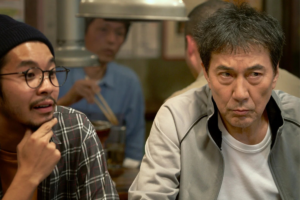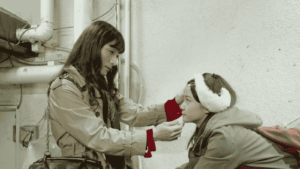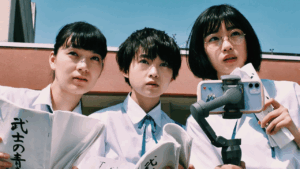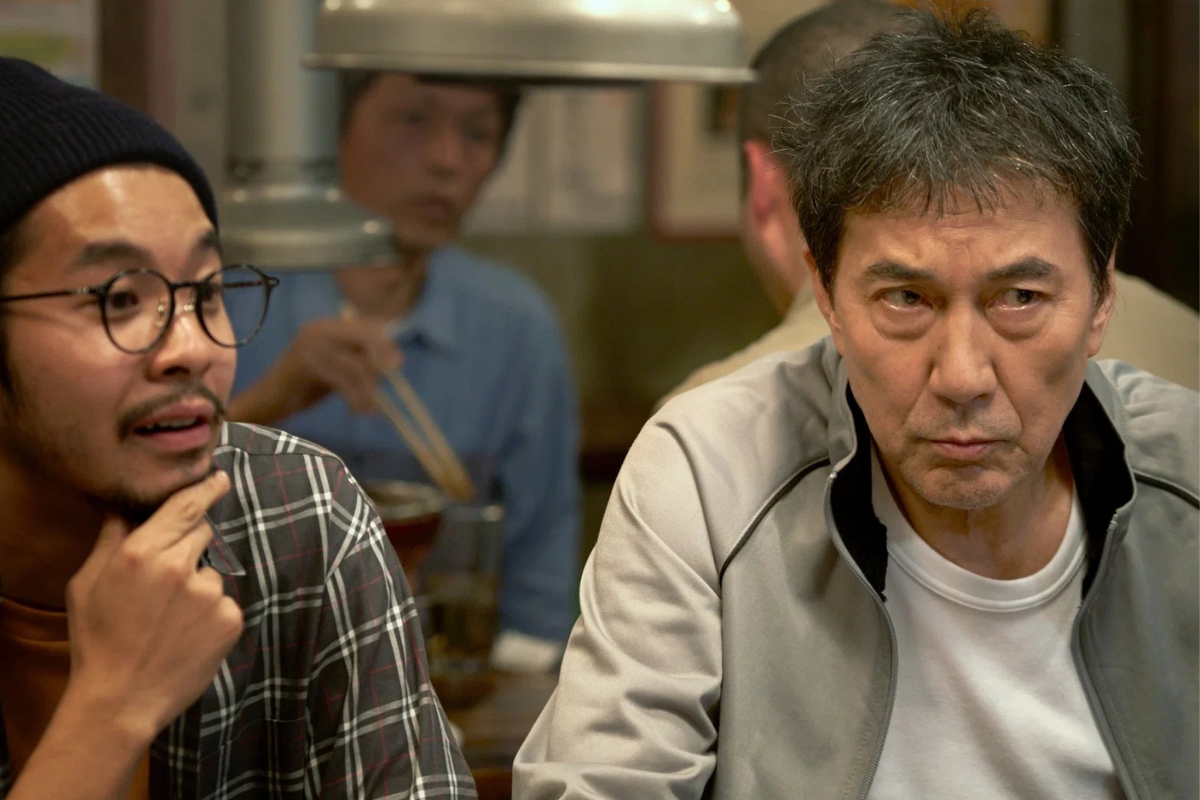
After watching Under the Open Sky, I found myself thinking again about the meaning of its title. The world often judges and rejects people because of their backgrounds or the labels placed on them. Against this harsh reality, the determination of Mikami (Koji Yakusho) to live an honest life is both heartbreaking and beautiful. Despite its serious themes, the film has a surprisingly light, almost playful tone. It is a masterpiece.
The film shows a reality in which trying to do the right thing does not always lead to happiness or acceptance. Watching Mikami continue to put his trust in others, I was reminded of both the difficulty and the value of staying true to oneself. It also made me wonder whether preventing reoffending requires more than personal effort. Perhaps society also needs to provide a place where people can return and feel that they belong.
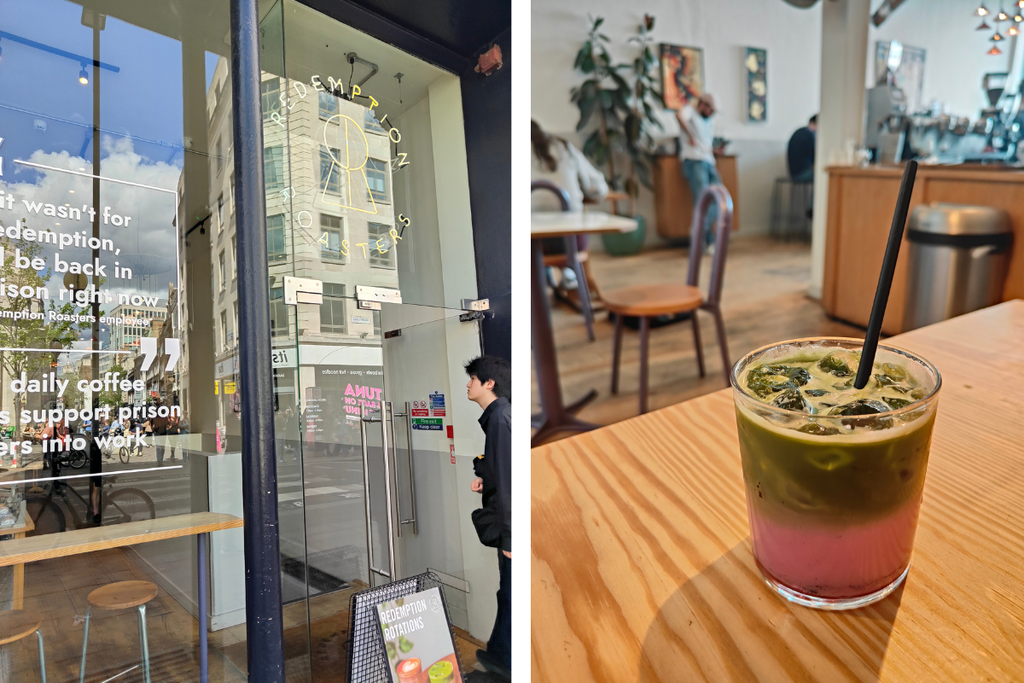
This spring, when I visited London, I stopped by Redemption Roasters in Covent Garden. With 11 locations across London, it looks like an ordinary, stylish coffee shop. However, the company has a mission to reduce reoffending through coffee and provides barista training to people while they are still in prison. Inside prisons, its barista academies teach participants about coffee and brewing techniques. At the end of the course, they are assessed on both their practical skills and knowledge.
What I found particularly important was that the support does not begin only after someone leaves prison. Those who complete the training can receive further instruction at facilities such as the training centre in King’s Cross. After a trial work period, they may move on to employment at Redemption Roasters cafés across London. Even after they start working, support staff regularly meet with them and help with issues involving daily life, finances, and legal matters.
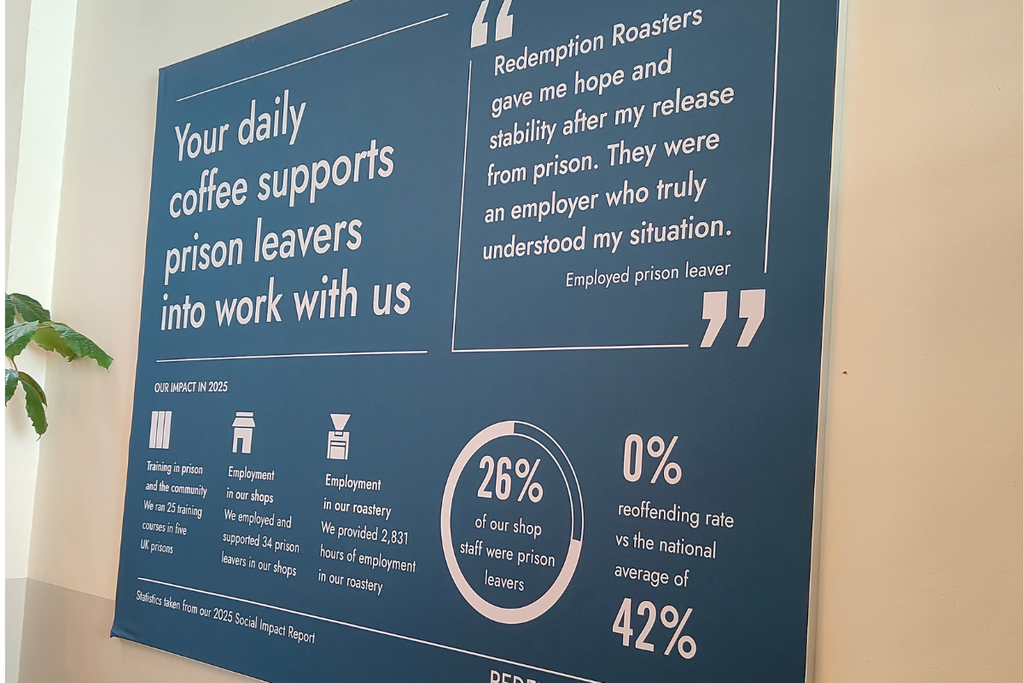
As of August 2026, 34% of the company’s café employees were participants in this programme, and 134 people had secured jobs in its cafés. A total of 730 people had completed the training programme inside prisons, while 87.5% of participants had remained employed for at least 90 days.
According to the company, the recorded reoffending rate among participants was just 1.8%, far below the UK average of 38% that it cites for comparison. These figures made me realise how important it can be for people leaving prison to find a new role and a place to belong in society. Having somewhere to work and people who support them can become an important foundation for a fresh start.
Similar initiatives also exist in Japan. Chibo, a Japanese okonomiyaki restaurant chain, has reportedly been interviewing people inside prisons and employing them after their release since 2008. In 2013, the Shoku-shin Project was launched to help former prisoners reintegrate into society by supporting not only employment but also housing and everyday life.
What these initiatives have in common is that they create connections with society before people leave prison.
When crimes are reported in the news, the people responsible often receive intense attention at the time of the incident. Yet we rarely hear about what happens to them after they have served their sentences or how they find their way back into society.
If we seriously want to prevent reoffending, I believe the media should also report on the kinds of support that actually help people rebuild their lives.
Watching Under the Open Sky and later visiting Redemption Roasters changed the way I think about rehabilitation. I came to realise that rehabilitation is not simply a matter of expecting individuals to change. It is also about whether society is willing to offer them another chance to find a place where they belong and a meaningful role to play.
Film Information
Starring: Koji Yakusho
Under the Open Sky (2021) – Official Website
https://wwws.warnerbros.co.jp/subarashikisekai/
Director & Screenwriter: Miwa Nishikawa